
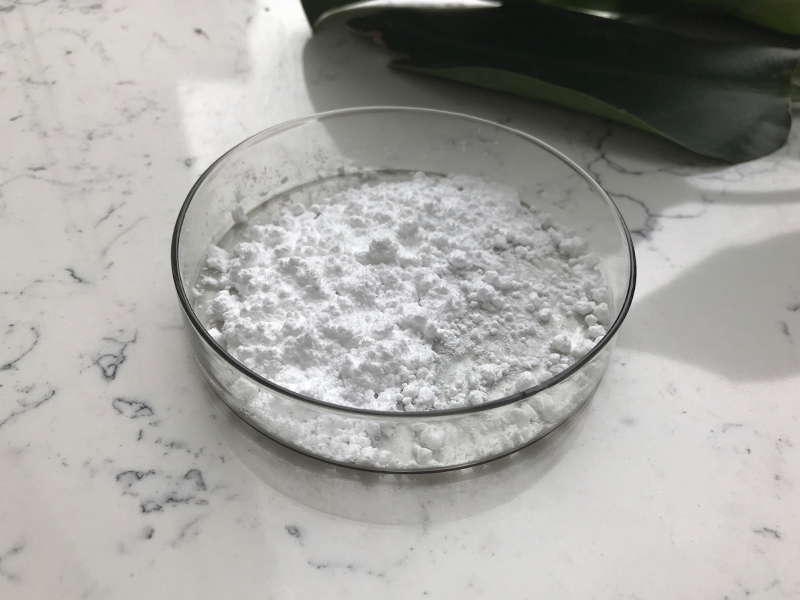
Tetraacetylphytosphingosine (TAPS) is an acetylated derivative of phytosphingosine used in skincare formulations, particularly products designed to support skin-barrier function, improve moisture retention, and maintain healthy skin lipids.
It is primarily a skin-conditioning ingredient and a potential precursor to ceramide-related lipids. Its safety profile appears relatively favorable for topical cosmetic use, but direct clinical evidence and comprehensive toxicological data remain limited.
1. Effectiveness of Tetraacetylphytosphingosine
(1) Skin barrier support
- May support the skin’s natural lipid barrier.
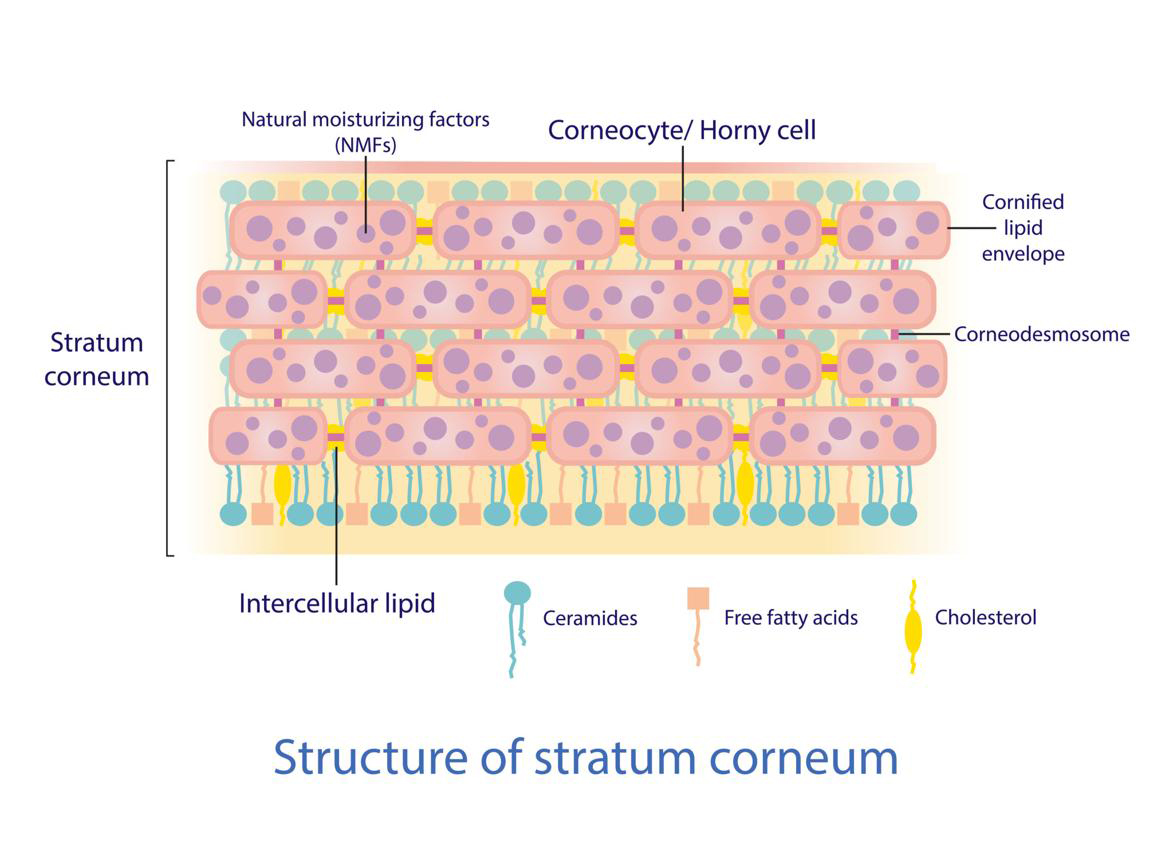
- Phytosphingosine is associated with ceramide metabolism, which contributes to the structure of the stratum corneum.
- May help improve skin resilience and reduce moisture loss when incorporated into suitable formulations.
- Potentially beneficial in products designed for dry or barrier-impaired skin.
(2) Moisturizing and hydration
- May contribute to maintaining skin hydration through its relationship with epidermal lipid organization.
- Can be incorporated into moisturizing formulations alongside ceramides, cholesterol, and fatty acids.
- May help improve skin softness and smoothness.
- Its moisturizing benefits should not be confused with the direct water-binding activity of ingredients such as hyaluronic acid or glycerin.
(3) Anti-aging and skin conditioning
- May help support skin barrier integrity, indirectly contributing to smoother-looking skin.
- Improved barrier function can reduce dryness-associated roughness and the appearance of fine lines.
- Its potential contribution to skin conditioning makes it relevant to anti-aging formulations.
(4) Skin soothing and comfort
- Phytosphingosine has biological activities associated with skin homeostasis and antimicrobial defense.
- Tetraacetylphytosphingosine may have potential as a skin-conditioning ingredient.
- Direct evidence that Tetraacetylphytosphingosine independently reduces redness, inflammation, or irritation in humans remains limited.
(5) Support for skin lipid metabolism
- Phytosphingosine is involved in the broader biological pathways of sphingolipids.
- Sphingolipids, particularly ceramides, are important components of the epidermal barrier.
- Tetraacetylphytosphingosine is a modified molecule, so its conversion into phytosphingosine and subsequent biological activity should not be assumed without supporting experimental evidence.
2. Side Effects of Tetraacetylphytosphingosine
Available cosmetic ingredient databases indicate relatively low reported skin-irritation and allergy concerns. However, the published safety database is limited, so this should not be interpreted as proof that adverse reactions are impossible.
(1) Skin irritation
- Some individuals may experience mild redness, itching, or discomfort.
- Irritation may be more likely when the ingredient is used in an unsuitable concentration or formulation.
- Other ingredients in the finished product, such as preservatives, fragrances, and solvents, may also contribute to irritation.
(2) Allergic reactions
- Contact sensitivity is possible, although the available evidence does not establish a high sensitization risk.
- Individuals with a history of cosmetic allergies should introduce new products cautiously.
- Discontinue use if persistent itching, swelling, rash, or other allergic symptoms develop.
(3) Eye irritation
- Accidental contact with the eyes may cause discomfort.
- Avoid applying concentrated cosmetic raw materials near the eyes.
- Rinse thoroughly with clean water if accidental exposure occurs.
(4) Breakouts and clogged pores
- There is insufficient evidence that Tetraacetylphytosphingosine itself is comedogenic.
- Its effect on acne-prone skin may depend more on the overall formulation, particularly the oils, waxes, and emollients used.
- People with oily or acne-prone skin should evaluate the finished product rather than judging it solely by this ingredient.
(5) Long-term safety uncertainties
- Long-term repeated-use studies specifically examining Tetraacetylphytosphingosine are limited.
- Comprehensive human data on chronic exposure, reproductive toxicity, and systemic absorption are insufficient.
- Its safety profile should therefore be assessed in the context of the finished cosmetic product.
3. Special Precautions of Tetraacetylphytosphingosine
(1) For sensitive skin
- Perform a patch test before introducing a new TAPS-containing product.
- Start with a low-frequency application and observe the skin’s response.
- Avoid combining several potentially irritating products when first testing it.
- If irritation occurs, discontinue use until the skin recovers.
(2) For damaged skin barriers
Tetraacetylphytosphingosine may be useful in barrier-supporting formulations, but extra caution is appropriate when the skin is severely irritated or damaged.
Recommended practices:
- Choose fragrance-free formulations when possible.
- Combine with established barrier-supporting ingredients, such as ceramides and cholesterol.
- Avoid applying unformulated Tetraacetylphytosphingosine powder directly to damaged skin.
- Seek professional advice for persistent dermatitis or severe skin inflammation.
(3) For pregnant and breastfeeding individuals
There is insufficient ingredient-specific clinical evidence to establish the safety of Tetraacetylphytosphingosine during pregnancy and breastfeeding.
Although topical exposure from a properly formulated cosmetic may be limited, it is better not to claim that Tetraacetylphytosphingosine has been definitively proven safe for these populations.
(4) Concentration and formulation precautions
Tetraacetylphytosphingosine is a specialized cosmetic raw material. Its concentration, solubility, stability, and compatibility with other ingredients should be evaluated during formulation development.
- Follow the supplier’s recommended usage level.
- Check the raw material’s purity and technical specifications.
- Ensure uniform dispersion in the finished formulation.
- Conduct stability and compatibility testing.
- Perform appropriate finished-product safety assessments.
Do not assume that a higher concentration necessarily produces better results.
4. Groups Requiring Additional Caution
| Population | Precaution |
| Sensitive skin | Patch test before regular use |
| Acne-prone skin | Check the complete formulation for comedogenic components |
| Eczema-prone skin | Introduce cautiously; avoid severely inflamed areas without professional advice |
| Pregnant individuals | Insufficient TAPS-specific pregnancy data |
| Breastfeeding individuals | Avoid applying untested concentrated raw materials to the breast area |
| Individuals with cosmetic allergies | Check the complete ingredient list |
5. Scientific Evidence and Safety Assessment
One important piece of historical evidence comes from a patent describing a small human study:
- Ten participants used a 1% Tetraacetylphytosphingosine solution.
- Application was twice daily for one month.
- Researchers measured ceramide levels in the stratum corneum.
- The study reported changes in skin ceramide composition.
This provides preliminary support for the proposed skin-lipid mechanism, but it is not equivalent to a large, independently replicated clinical trial demonstrating improved skin hydration or barrier function.
Other useful references include:
- EWG Skin Deep – Tetraacetylphytosphingosine: Reports limited safety data and low irritation concern.
- COSMILE Europe – Ingredient profile: Describes its recognized skin-conditioning and hair-conditioning functions.
- Croda Beauty – DS-TAPS: Manufacturer information on its cosmetic applications and formulation properties.
- PubChem – Tetraacetylphytosphingosine: Chemical and hazard information, including classifications notified to ECHA.
Important distinction: PubChem also reports an ECHA notification classifying the chemical as causing serious eye damage and presenting aquatic hazards. This is a hazard classification for the chemical substance, not evidence that ordinary use of a properly formulated cosmetic containing Tetraacetylphytosphingosine causes serious eye damage. Nevertheless, it reinforces the need for appropriate raw-material handling and eye protection.
6. Overall Evaluation
Effectiveness and safety summary
| Evaluation category | Assessment |
| Skin barrier support | Promising |
| Ceramide-related activity | Preliminary evidence |
| Moisturizing | Potential supportive benefit |
| Anti-aging | Indirect potential benefit |
| Skin soothing | Limited direct evidence |
| Skin irritation risk | Apparently low in cosmetic use |
| Allergy risk | Insufficient data |
| Long-term safety | Insufficient data |
| Clinical evidence | Limited |
7. Conclusion
Tetraacetylphytosphingosine is a promising cosmetic ingredient for skin-conditioning and barrier-support formulations. Its principal scientific interest lies in its relationship with phytosphingosine and epidermal sphingolipid metabolism, particularly ceramide-related pathways.
Its potential benefits include:
(1) Supporting the skin’s natural lipid barrier.
(2) Helping maintain skin hydration.
(3) Improving skin softness and smoothness.
(4) Supporting skin-conditioning and anti-aging formulations.
(5) Potentially contributing to healthier skin barrier function.
Its main limitation is the relatively small amount of direct clinical research. Although available cosmetic databases suggest low concern for typical topical use, more comprehensive irritation, sensitization, and long-term safety studies would strengthen the evidence.
Overall assessment: Tetraacetylphytosphingosine is a promising barrier-support cosmetic ingredient, but its efficacy and long-term safety should not be overstated. It is best considered a complementary skin-conditioning ingredient rather than an independently established treatment for skin disorders.