
Tetraacetylphytosphingosine (TAPS) is a modified sphingoid-base derivative related to phytosphingosine and ceramide metabolism. It is primarily studied as a skin-conditioning and skin-barrier-supporting ingredient in cosmetic science.
Its most important potential function is promoting the formation of epidermal ceramides, which are essential lipids responsible for maintaining skin hydration, barrier integrity, and protection against external irritants.
Efficacy and Functions of Tetraacetylphytosphingosine
(1) Promotes Ceramide Biosynthesis
One of the most important properties of Tetraacetylphytosphingosine is its potential to stimulate ceramide production in the epidermis.
- Acts as a modified sphingoid-base substrate for ceramide biosynthesis.
- Provides material that keratinocytes can use in sphingolipid metabolic pathways.
- Supports the formation of phytosphingosine-related ceramides.
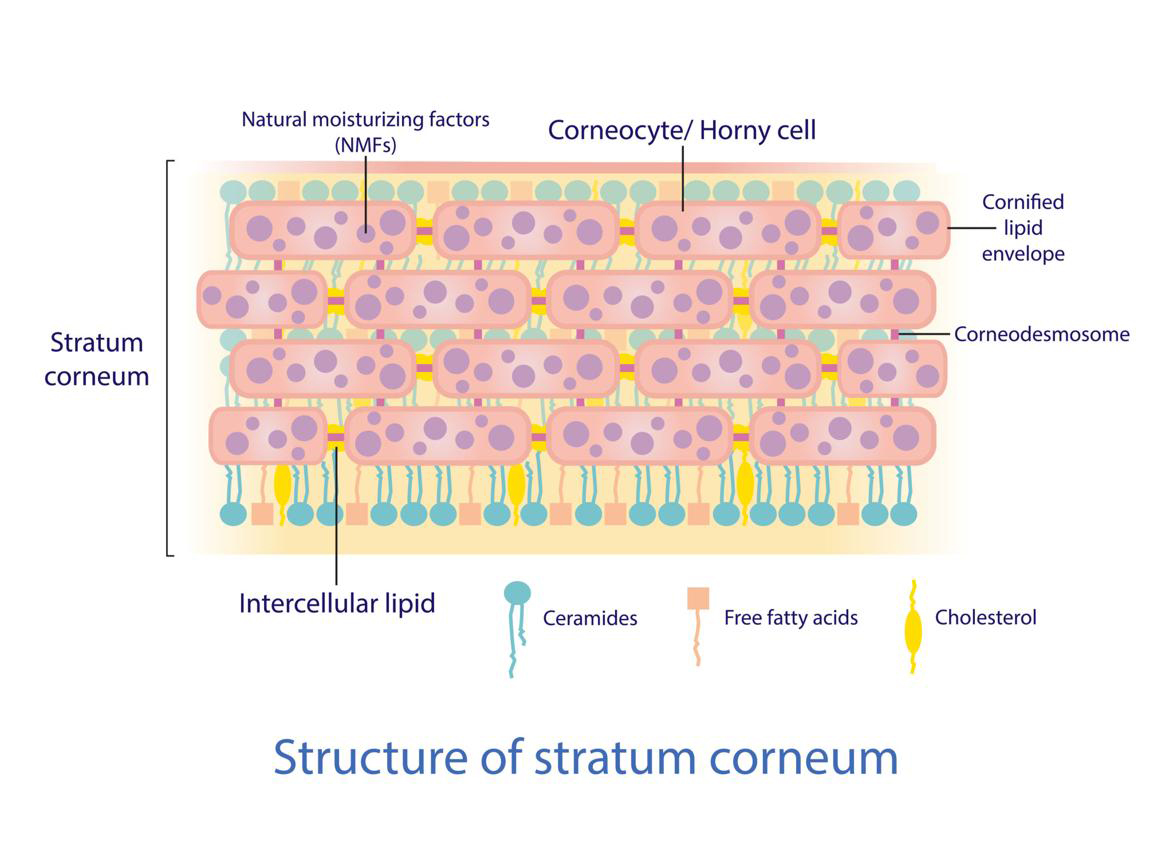
- May increase ceramide levels in the stratum corneum.
Ceramides are essential components of the skin’s intercellular lipid matrix. Increasing their levels can help improve the structural integrity of the skin barrier.
Research has reported increased stratum corneum ceramide levels following topical Tetraacetylphytosphingosine application.
(2) Strengthens the Skin Barrier
The skin barrier protects the body against environmental pollutants, irritants, microorganisms, and excessive moisture loss.
Tetraacetylphytosphingosine may support barrier function through its relationship with ceramide synthesis.
Potential benefits include:
- Supporting the formation of the epidermal lipid barrier.
- Improving the structural organization of intercellular lipids.
- Increasing skin resistance to surfactant-induced damage.
- Supporting the maintenance of normal epidermal barrier function.
- Helping improve the condition of dry and weakened skin.
An early clinical evaluation reported that topical Tetraacetylphytosphingosine treatment increased stratum corneum ceramide levels and improved resistance to surfactant damage in treated subjects.
(3) Improves Skin Hydration
A healthy skin barrier helps prevent excessive transepidermal water loss (TEWL).
By potentially supporting endogenous ceramide production, Tetraacetylphytosphingosine may indirectly contribute to improved moisture retention.
Its potential moisturizing functions include:
- Supporting the skin’s natural moisture-retention system.
- Reducing moisture loss associated with barrier disruption.
- Helping maintain skin softness and smoothness.
- Supporting the hydration of dry skin.
- Improving the overall condition of the stratum corneum.
Important: Tetraacetylphytosphingosine is not a conventional humectant like glycerin or hyaluronic acid. Its proposed moisturizing benefits are primarily associated with skin-lipid metabolism and barrier support.
(4) Supports Skin Barrier Repair
Tetraacetylphytosphingosine may contribute to skin barrier recovery by supporting the production of ceramides involved in epidermal lipid organization.
Its potential functions include:
- Supporting the restoration of skin lipid components.
- Helping maintain the integrity of the stratum corneum.
- Supporting epidermal barrier recovery following environmental stress.
- Improving skin resistance to cleansing-related damage.
- Helping maintain skin comfort.
This makes it an interesting ingredient for barrier-focused cosmetic formulations.
(5) Helps Protect Against External Irritants
The stratum corneum acts as the first line of defense against external substances.
Because Tetraacetylphytosphingosine is associated with ceramide biosynthesis, it may indirectly strengthen the skin’s protective barrier.
Potential benefits include:
- Supporting protection against external irritants.
- Improving resistance to surfactant exposure.
- Helping reduce the effects of excessive cleansing on the skin barrier.
- Supporting the skin’s natural protective functions.
However, Tetraacetylphytosphingosine should not be considered a direct antibacterial or antimicrobial active ingredient.
(6) Supports Dry and Sensitive Skin Care
Dry and sensitive skin frequently exhibit changes in epidermal lipid composition and impaired barrier function.
Tetraacetylphytosphingosine may be useful in formulations designed to support these skin conditions.
Potential cosmetic benefits include:
- Improving the condition of dry skin.
- Supporting skin barrier integrity.
- Helping maintain skin moisture.
- Improving skin softness and comfort.
- Supporting formulations intended for sensitive skin.
Its suitability for sensitive skin depends on the concentration, formulation, and overall ingredient combination.
(7) Improves Skin Smoothness and Texture
A well-functioning skin barrier helps maintain a smooth and healthy skin surface.
Through its potential effects on ceramide metabolism and barrier function, Tetraacetylphytosphingosine may indirectly contribute to:
- Improving the appearance of rough skin.
- Supporting a smoother skin texture.
- Maintaining skin softness.
- Reducing dryness-associated roughness and flaking.
- Improving the overall appearance of the skin.
These are supportive cosmetic effects rather than established direct exfoliating or resurfacing activities.
(8) Supports Epidermal Lipid Balance
The skin barrier depends on an appropriate balance of several lipid components, particularly:
- Ceramides
- Cholesterol
- Free fatty acids
Tetraacetylphytosphingosine is interesting because it may support the endogenous production of ceramide-related lipids rather than simply supplying external moisturizing materials.
Its potential role in epidermal lipid metabolism makes it relevant to advanced barrier-repair formulations.
Summary of Its Main Efficacies
| Function | Potential benefit | Evidence level |
| Ceramide biosynthesis | Supports endogenous ceramide production | Preliminary experimental and human evidence |
| Skin barrier strengthening | Supports barrier integrity | Preliminary human evidence |
| Moisture retention | May help reduce moisture loss | Indirect evidence |
| Barrier repair | Supports epidermal lipid recovery | Preliminary evidence |
| External protection | May improve resistance to surfactant damage | Preliminary human evidence |
| Dry skin conditioning | Supports skin comfort and softness | Plausible cosmetic benefit |
| Skin smoothness | Helps improve dryness-related roughness | Indirect evidence |
Overall conclusion: Tetraacetylphytosphingosine is a promising sphingolipid-related cosmetic ingredient whose most notable potential function is supporting endogenous ceramide biosynthesis. Its primary value lies in skin barrier strengthening, moisture retention, and supporting the condition of dry or weakened skin. It is particularly interesting for developing advanced barrier-focused skincare products, although further clinical research is needed to establish its full efficacy.