
Riboflavin Sodium Phosphate is a phosphorylated, water-soluble derivative of riboflavin (vitamin B2) designed for pharmaceutical and injectable use. Its structure and physical behavior are mainly defined by the addition of a phosphate group and formation of a sodium salt, which dramatically improves solubility compared with riboflavin.
1. Chemical structure
A. Core structure
- Built on the isoalloxazine ring system (the active flavin nucleus of vitamin B2)
- This ring is responsible for its redox (electron-transfer) activity
B. Ribitol side chain
- Attached to the isoalloxazine ring is a ribitol (sugar alcohol) chain
- This is part of the original riboflavin molecule
C. Phosphate modification
The key difference from riboflavin:
- The ribitol hydroxyl group is phosphorylated
- Forms riboflavin-5′-phosphate
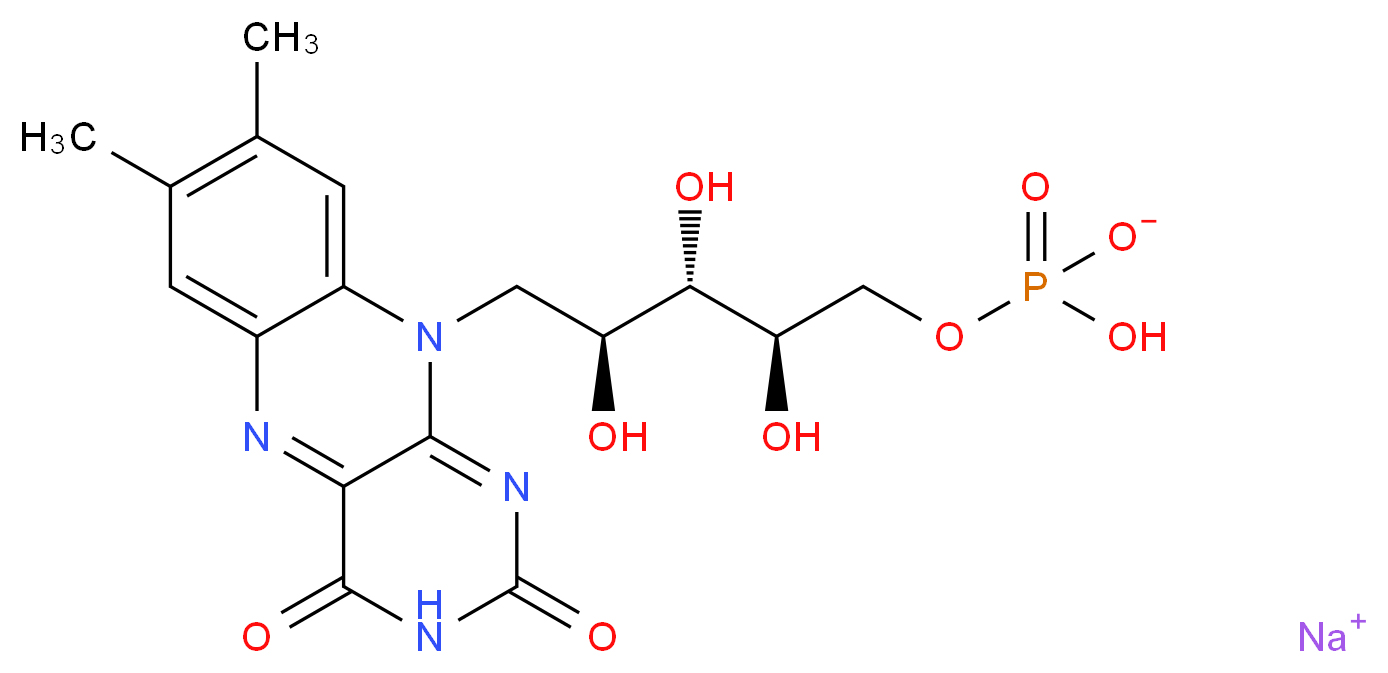
D. Sodium salt form
The phosphate group is neutralized with sodium ions (Na⁺)
This forms a stable, highly water-soluble salt:
- “Riboflavin 5′-phosphate sodium”
E. Functional implication
Once inside the body, it is rapidly dephosphorylated back to riboflavin and then converted to:
- FMN (Flavin Mononucleotide)
- FAD (Flavin Adenine Dinucleotide)
2. Physical properties
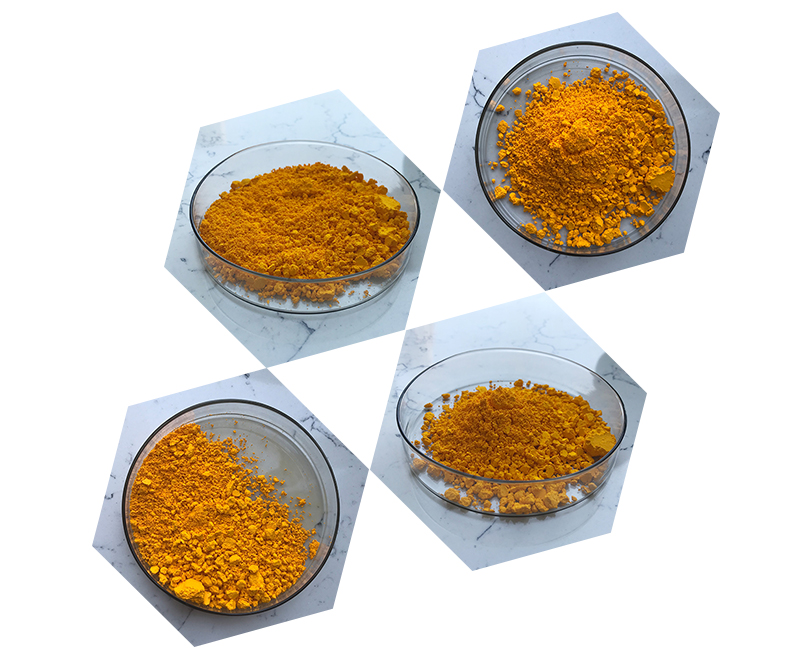
A. Appearance
- Yellow to orange-yellow crystalline powder
- Can also appear as a yellow solution in injectable form
B. Solubility
- Highly soluble in water
- Practically insoluble in organic solvents (e.g., ethanol, ether)
This is a major improvement over riboflavin, which has poor water solubility.
C. Stability
More stable in aqueous pharmaceutical solutions than riboflavin
However:
- Light-sensitive (photolabile)
- Degrades under UV and strong visible light exposure
D. pH behavior
- Typically stable in slightly acidic to neutral aqueous solutions
- Extreme pH conditions may reduce stability
E. Optical properties
Strong natural fluorescence (like riboflavin)
- Emits yellow-green fluorescence under UV light
This is due to the isoalloxazine ring system
F. Molecular behavior
- Exists as an ionic compound in solution
- Rapidly participates in biochemical redox reactions after conversion to FMN/FAD
3. Key structural advantage (why it is used clinically)
Compared with riboflavin:
- Adds phosphate group → increases polarity
- Sodium salt formation → improves solubility and injectability
- Enables IV and IM administration, which riboflavin alone cannot do effectively
Summary
Riboflavin Sodium Phosphate consists of:
- An isoalloxazine flavin ring (active core)
- A ribitol sugar chain
- A phosphate group at the 5′ position
- A sodium salt form for solubility
Its key physical traits are:
- High water solubility
- Yellow crystalline appearance
- Strong fluorescence
- Light sensitivity
- Stability in injectable aqueous formulations