
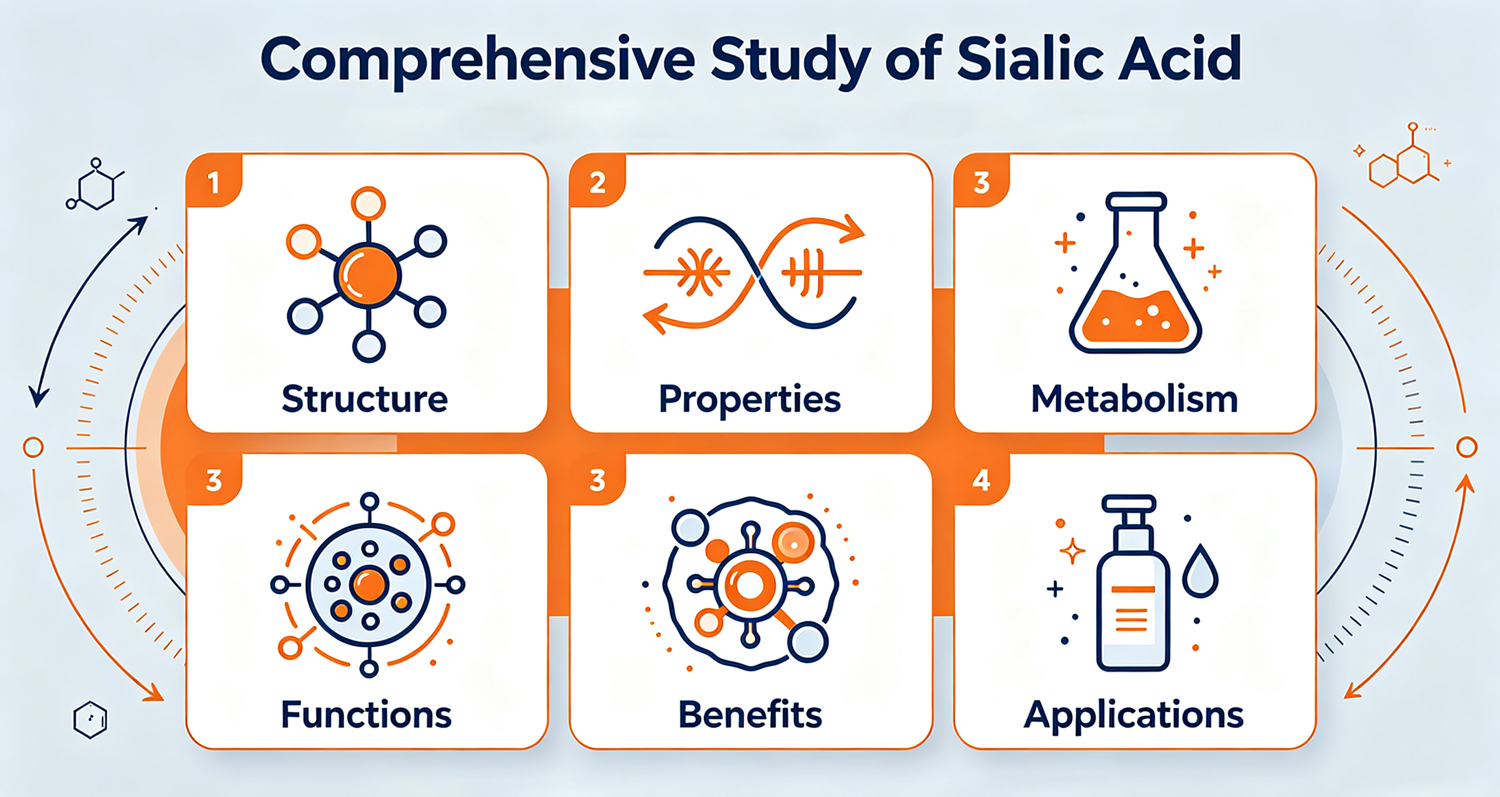
Sialic acid is a family of naturally occurring acidic sugars found at the outermost ends of glycoproteins and glycolipids in animal tissues, human milk, and many microorganisms. The most common form in humans is N-Acetylneuraminic Acid (Neu5Ac), often simply referred to as sialic acid.
Because of its strategic position on cell surfaces, sialic acid plays essential roles in cell communication, immune regulation, brain development, pathogen recognition, and biological signaling. In recent years, Neu5Ac has attracted increasing attention in the fields of nutrition, pharmaceuticals, infant formula, cosmetics, and biotechnology.
1. Chemical Information
| Property | Description |
| Chemical Name | N-Acetylneuraminic Acid |
| Abbreviation | Neu5Ac |
| Molecular Formula | C₁₁H₁₉NO₉ |
| Molecular Weight | 309.27 g/mol |
| CAS Number | 131-48-6 |
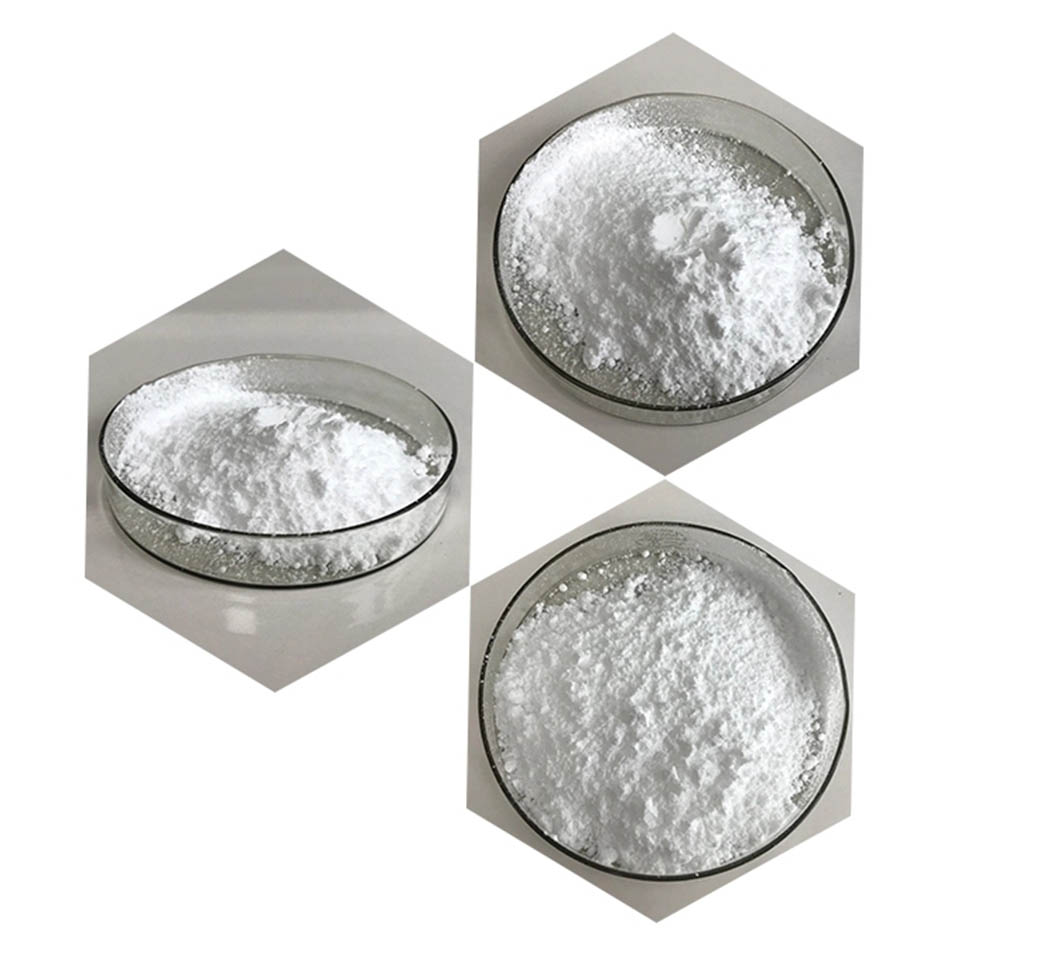
| Appearance | White crystalline powder |
| Solubility | Highly soluble in water |
| pH Stability | Stable under mild acidic conditions |
| Melting Point | Decomposes upon heating |
Neu5Ac contains:
- A nine-carbon monosaccharide backbone
- A carboxyl group, giving acidic properties
- An acetylamino group
- Multiple hydroxyl groups contributing to water solubility
2. Natural Sources
Sialic acid occurs widely in nature.
Animal Sources
- Human breast milk
- Bird’s nest
- Eggs
- Milk and dairy products
- Meat and organ tissues
- Fish
Microbial Sources
Certain bacteria can synthesize Neu5Ac:
- Escherichia coli
- Neisseria
- Pasteurella
Commercial Production
Modern production methods include:
(1) Enzymatic Synthesis
- High purity
- Environmentally friendly
- Preferred industrial process
(2) Microbial Fermentation
- Cost-effective
- Large-scale production
(3) Extraction
- From bird’s nest or dairy materials
- Lower yield and higher cost
3. Biological Functions
3.1 Cell Recognition
Sialic acid acts as a molecular marker on cell surfaces, participating in:
- Cell adhesion
- Signal transduction
- Immune responses
- Tissue recognition
3.2 Brain Development
Neu5Ac is highly concentrated in:
- Brain gangliosides
- Neuronal membranes
- Synapses
Functions include:
- Cognitive development
- Learning ability
- Memory formation
- Neural plasticity
Human breast milk contains high levels of sialic acid, supporting infant brain growth.
3.3 Immune Regulation
Sialic acid contributes to:
- Self/non-self recognition
- Inflammation control
- Immune tolerance
- Regulation of immune cells
It interacts with proteins called Siglecs (Sialic acid-binding immunoglobulin-like lectins) to modulate immune responses.
3.4 Gut Health
Neu5Ac may:
- Support beneficial intestinal bacteria
- Enhance intestinal barrier function
- Improve gut maturation in infants
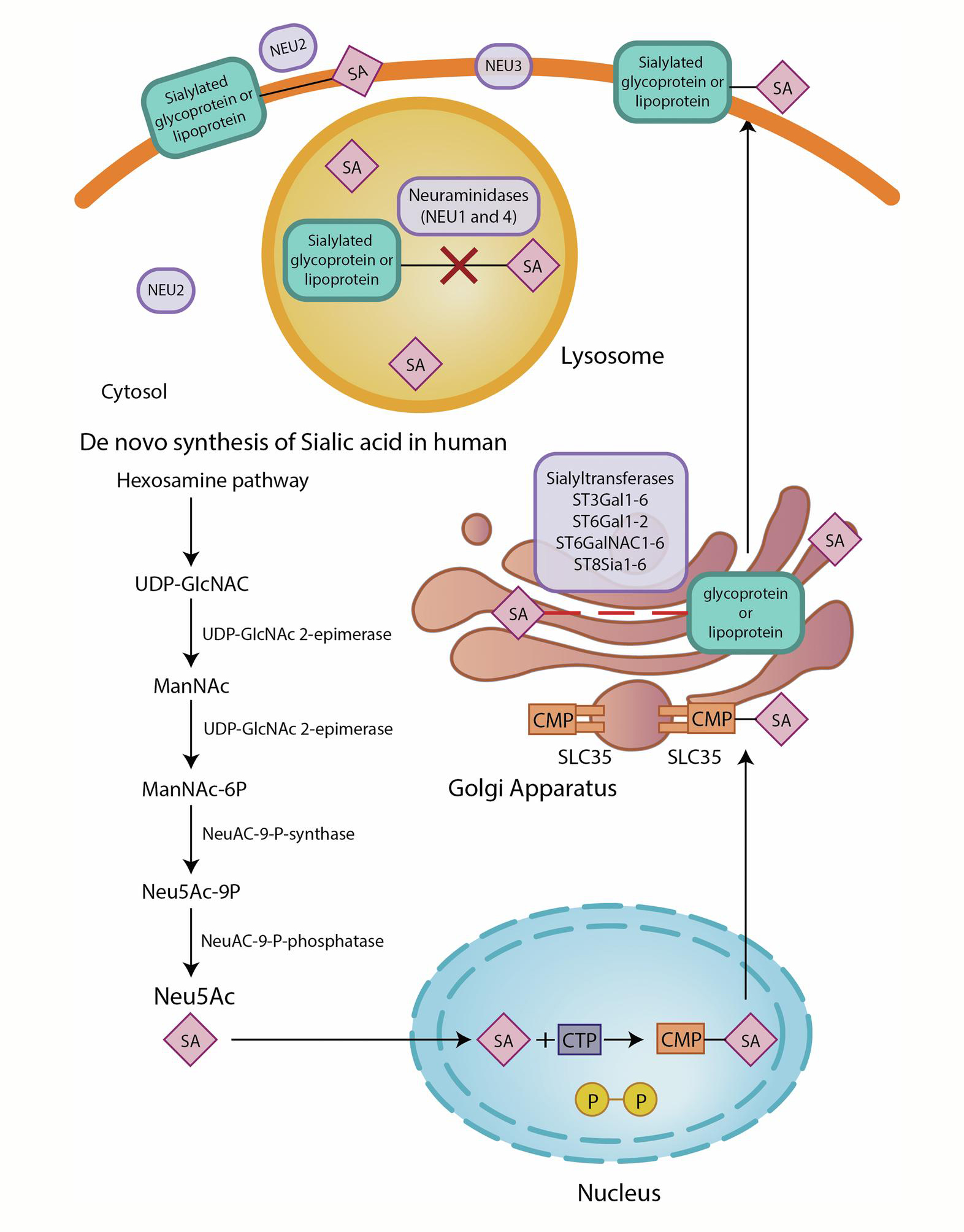
4. Mechanism of Action
Cellular Level
Sialic acid functions through:
A. Glycosylation
Neu5Ac is attached to proteins and lipids, forming:
- Glycoproteins
- Glycolipids
- Gangliosides
These structures regulate:
- Cell signaling
- Receptor activity
- Molecular recognition
B. Receptor Interactions
Sialic acid interacts with:
- Siglec receptors
- Selectins
- Viral proteins
- Immune receptors
5. Applications
5.1 Infant Nutrition
Neu5Ac is added to:
- Infant formula
- Functional foods
Potential benefits:
- Brain development
- Immune support
- Gut maturation
5.2 Pharmaceuticals
Applications include:
- Vaccine development
- Drug delivery systems
- Anti-inflammatory research
- Cancer biomarkers
5.3 Cosmetics
Sialic acid may provide:
- Moisturization
- Skin barrier support
- Anti-aging effects
- Antioxidant protection
It is increasingly incorporated into:
- Serums
- Creams
- Functional skincare products
5.4 Biotechnology
Uses include:
- Glycoprotein engineering
- Monoclonal antibodies
- Cell culture media
- Biomarker research
6. Health Benefits
Cognitive Benefits
- Supports brain development
- May improve memory and learning
Immune Benefits
- Regulates immune function
- Supports defense mechanisms
Gastrointestinal Benefits
- Supports intestinal health
- Promotes microbiome balance
Skin Benefits
- Enhances hydration
- Improves barrier function
7. Safety
Sialic acid is generally considered safe.
Typical Dosages
There is no universally established daily intake for healthy adults.
Research levels:
- Infants: naturally obtained through breast milk
- Adults: supplemental amounts vary depending on product type
Possible Side Effects
At normal doses, side effects are uncommon.
Excessive intake may potentially cause:
- Mild digestive discomfort
- Temporary gastrointestinal symptoms
8. Market and Future Trends
Growing interest in Neu5Ac is driven by:
- Infant nutrition products
- Cognitive health supplements
- Functional foods
- Anti-aging cosmetics
- Glycobiology research
Future research areas include:
- Brain health
- Immunotherapy
- Precision medicine
- Cancer biomarkers
- Microbiome interactions
9. Conclusion
N-Acetylneuraminic Acid (Neu5Ac) is an important biological molecule that plays critical roles in brain development, immune regulation, cell communication, and intestinal health. Its unique structural properties make it valuable in nutrition, medicine, cosmetics, and biotechnology.
As glycobiology and biotechnology continue to advance, sialic acid is expected to become an increasingly important ingredient in next-generation health products and therapeutic applications.