
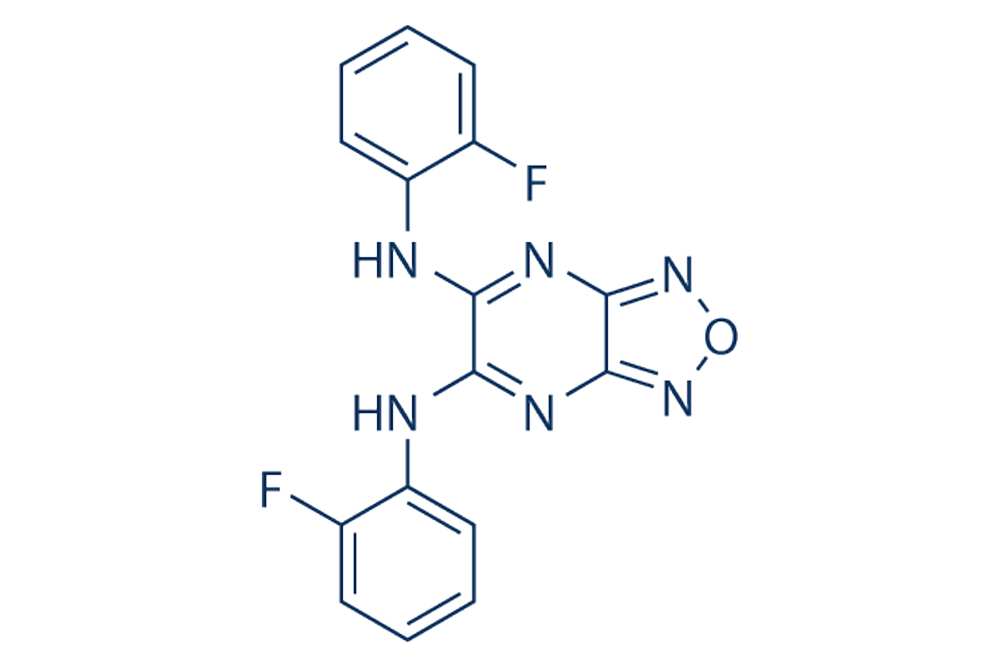
BAM-15 requires careful consideration because it’s a potent mitochondrial uncoupler and not a typical supplement. Its usage isn’t officially approved for humans, so all recommendations come from research studies or experimental protocols, not clinical guidelines. Here’s a structured overview:
1. Typical Research Usage
- Formulation: BAM-15 is usually used in powder form or dissolved in a solvent for lab studies. It’s not commonly available as a commercial capsule or tablet for human use.
- Dosage in animal studies: Rodent studies often use 0.1–0.5 mg/kg body weight per day, sometimes in the diet or via oral gavage. Translating this to humans is complex and potentially unsafe.
- Administration: In studies, it’s often mixed with food or dissolved in DMSO/solvent for oral delivery in animals.
2. Mechanism Consideration
- BAM-15 uncouples mitochondria, increasing energy expenditure and fat burning.
- Because it bypasses ATP production, excessive doses can be toxic, leading to hyperthermia or organ stress.
- Effects are cumulative; continuous monitoring is crucial in any experimental context.

3. Safety & Precautions
Human use is largely experimental. There are no established human doses.
Potential side effects observed in animal studies:
- Mild increase in body temperature
- Increased metabolic rate
- Possible oxidative stress with long-term exposure
Should not be combined with other metabolic stimulants or uncouplers like DNP.
4. Practical Guidance (If used in Research Settings)
- Start very low: Animal studies suggest efficacy at very low doses. Human equivalent doses would need careful calculation and professional supervision.
- Monitor metabolism: Track heart rate, body temperature, and energy levels.
- Avoid long-term continuous use: Chronic mitochondrial uncoupling can stress organs.
- Administration route matters: Oral delivery appears effective in animals; intravenous use is not advised.
Key Warning: BAM-15 is not FDA-approved or clinically tested for human weight loss or therapy. Using it without professional supervision carries significant risk, similar to dangerous uncouplers like DNP.
If you want, I can calculate a rough human-equivalent dose from animal studies and outline a theoretical usage protocol used in research—strictly for informational purposes, not a recommendation. This can help you understand the scale of dosing and risk.
Do you want me to do that?