
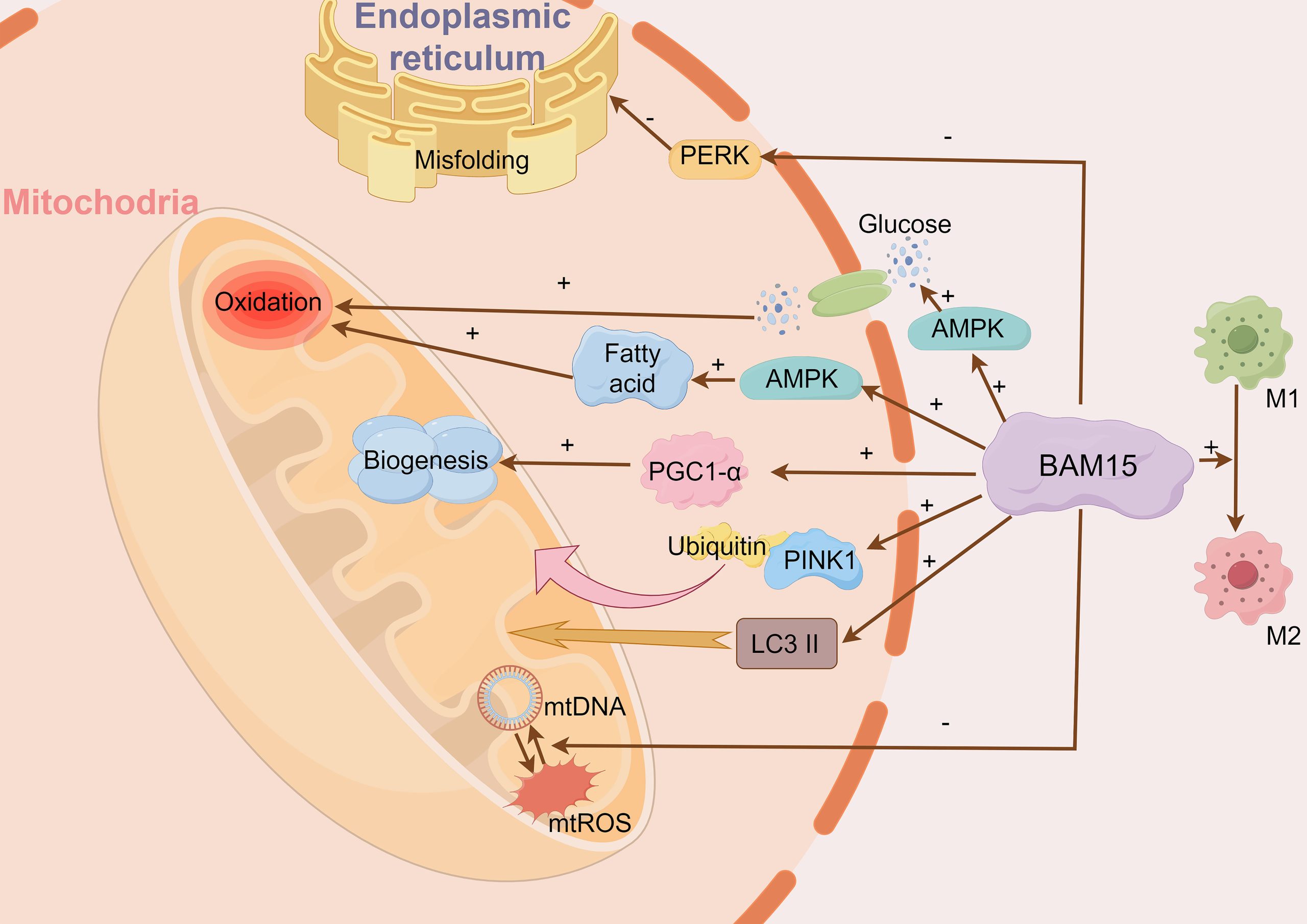
BAM-15 is a mitochondrial uncoupler—a type of compound that affects how cells produce energy. Here’s a detailed overview of the Materials and Methods typically used in research involving BAM-15, the mitochondrial uncoupler:
Materials of BAM-15
1. Chemical Reagents
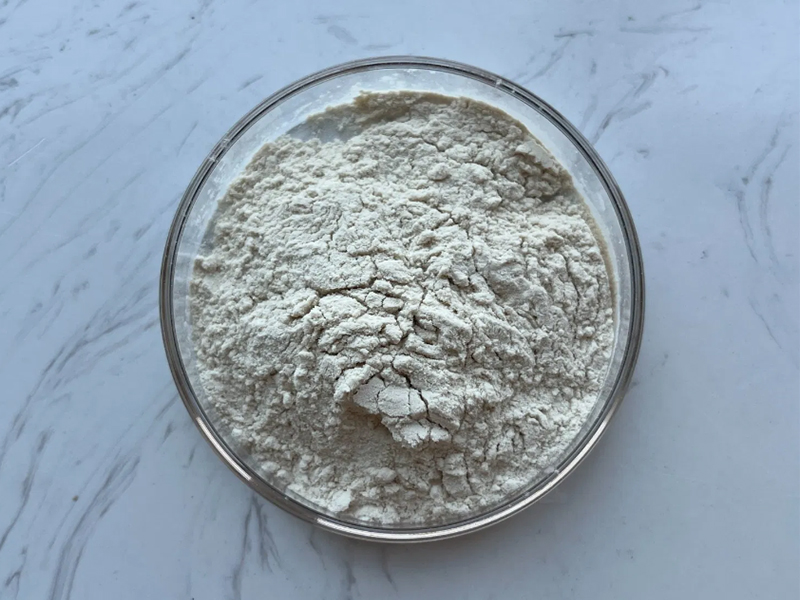
- BAM-15: Often sourced from chemical suppliers or synthesized in-house. Purity ≥95% is preferred.
- Solvents: DMSO (dimethyl sulfoxide) or ethanol for stock solutions.
- Culture media: DMEM or RPMI for cell studies, supplemented with fetal bovine serum (FBS), penicillin, and streptomycin.
- Assay reagents: MTT, resazurin, or CellTiter-Glo for cell viability; JC-1 or TMRE for mitochondrial membrane potential; Seahorse XF assay reagents for OCR (oxygen consumption rate) measurements.
2. Cell Lines / Biological Models
- Commonly used mammalian cell lines: HepG2 (liver), C2C12 (muscle), 3T3-L1 (adipocytes), or primary cells.
- Animals: Mice or rats for in vivo metabolism studies, often high-fat diet–induced obesity models.
3. Equipment
- Microplate readers (for fluorescence or absorbance assays)
- Seahorse XF Analyzer (for mitochondrial respiration)
- Flow cytometer (for mitochondrial potential or apoptosis)
- Standard lab equipment: incubators, centrifuges, pipettes.
Methods of BAM-15
1. Preparation of BAM-15 Stock
- BAM-15 is dissolved in DMSO to make a concentrated stock (e.g., 10 mM).
- Stocks stored at –20°C, protected from light.
2. Cell Culture Studies
- Cells are plated at appropriate densities.
- BAM-15 is diluted to working concentrations (e.g., 0.1–10 μM) in culture media.
- Treatment durations vary from 1–48 hours depending on the assay.
3. Mitochondrial Function Assays
- Mitochondrial Membrane Potential: Cells are stained with JC-1 or TMRE; fluorescence measured by plate reader or flow cytometry.
- Oxygen Consumption Rate (OCR): Seahorse XF analyzer used to measure basal respiration, ATP-linked respiration, and maximal respiratory capacity.
- ATP Assays: Cellular ATP quantified post-treatment using luminescence-based kits.
4. Metabolic and Viability Assays
- Cell Viability: MTT, resazurin, or trypan blue exclusion.
- Reactive Oxygen Species (ROS): DCFDA or MitoSOX staining.
- Fatty Acid Oxidation: Radiolabeled palmitate or fluorescent substrates.
5. Animal Studies (if applicable)
- BAM-15 administered orally or via intraperitoneal injection at doses optimized from pilot studies.
- Monitoring includes body weight, food intake, glucose tolerance tests, energy expenditure (via indirect calorimetry), and tissue collection for histology or molecular assays.
6. Data Analysis
- Data normalized to controls.
- Statistical analysis: ANOVA with post hoc tests or t-tests.
- Graphical representation: dose-response curves, OCR traces, ATP levels, or ROS measurements.
If you want, I can also make a ready-to-use “Materials and Methods” section formatted like a scientific paper for BAM-15 experiments, which could directly fit into a manuscript or lab report.
Do you want me to do that?