
Riboflavin Sodium Phosphate is a pharmaceutical, water-soluble derivative of vitamin B2 (riboflavin) developed to improve solubility and stability for injectable and clinical nutrition use.
1. Introduction
Riboflavin Sodium Phosphate is the sodium salt of riboflavin-5′-phosphate, an active phosphorylated form of vitamin B2. It is designed for:
- Rapid medical administration (especially IV/IM use)
- Reliable bioavailability in patients who cannot absorb oral vitamins
- Inclusion in hospital-grade multivitamin and parenteral nutrition solutions
After administration, it is quickly converted in the body into:
- FMN (Flavin Mononucleotide)
- FAD (Flavin Adenine Dinucleotide)
- These are essential cofactors for cellular energy metabolism.
2. Origin
A. Biological origin (vitamin basis)
Derived from riboflavin (vitamin B2), a naturally occurring vitamin found in:
- Milk and dairy products
- Eggs
- Liver and meat
- Green vegetables
Riboflavin itself was first identified as part of the vitamin B complex research in the early 20th century.
B. Chemical / pharmaceutical origin
- Developed by chemical phosphorylation of riboflavin
- Converted into riboflavin-5′-phosphate
- Then neutralized with sodium to form a highly water-soluble injectable salt
This modification was created specifically to overcome riboflavin’s:
- Poor water solubility
- Limited stability in aqueous medical formulations
3. Properties
A. Physical properties
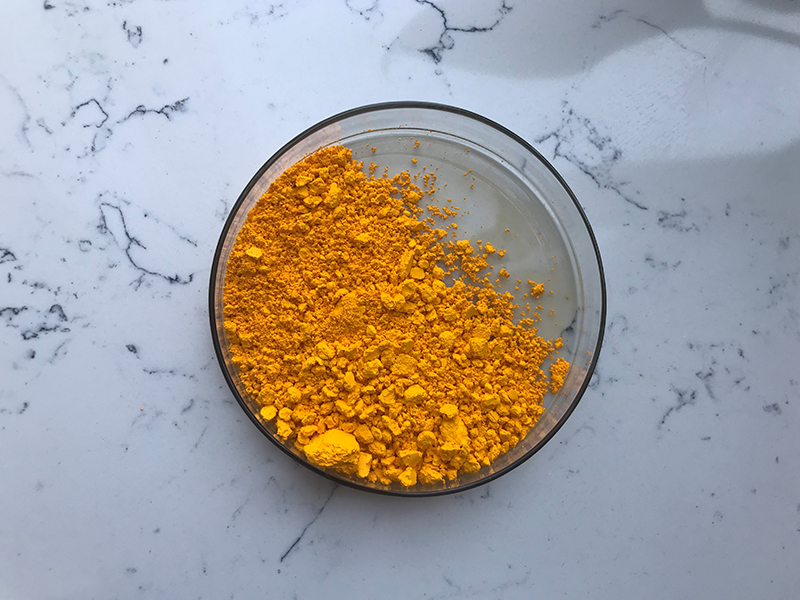
- Appearance: Yellow to orange-yellow crystalline powder or solution
- Solubility: Highly soluble in water
- Stability: More stable in solution than free riboflavin under controlled conditions
- Light sensitivity: Sensitive to UV and visible light (can degrade with exposure)
B. Chemical properties
- Molecular type: Phosphorylated flavin derivative
- Exists as a sodium salt for improved dissolution
- Readily dephosphorylated in the body to active riboflavin coenzyme forms
- Functions as a precursor to FMN and FAD
C. Biological properties
Essential cofactor precursor for oxidative metabolism
Supports:
- Mitochondrial energy production
- Redox enzyme reactions
- Antioxidant defense systems
Rapidly absorbed and metabolized in clinical use
4. Key significance
Riboflavin Sodium Phosphate was developed to bridge the gap between:
- Natural vitamin B2 (effective but poorly soluble)
- Clinical requirement for fast, injectable vitamin delivery
Summary
Riboflavin Sodium Phosphate is a synthetic, water-soluble vitamin B2 derivative created from riboflavin through phosphorylation and sodium salt formation. It originated from the need for an injectable form of vitamin B2 and is characterized by high solubility, light sensitivity, and rapid conversion into active metabolic cofactors (FMN and FAD).