
BAM-15 is an experimental compound studied in the field of metabolic biology and pharmacology. It is best known as a mitochondrial uncoupler, meaning it changes how cells produce energy. Here’s a clear, evidence-based breakdown of the pros and cons of BAM-15 (a mitochondrial uncoupler), based mainly on preclinical research.
Pros of BAM-15
1. Strong fat-burning and anti-obesity effects
- In animal studies, BAM-15 increases energy expenditure and fat oxidation without reducing food intake
- Leads to reduced body fat and resistance to weight gain
Key advantage: burns calories by making cells less energy-efficient (uncoupling)
2. Improves insulin sensitivity and glucose metabolism
- Enhances insulin action and glucose uptake
- Can reverse insulin resistance in obese mice
Potential relevance: diabetes and metabolic syndrome
3. No loss of lean muscle (in studies)
- Does not reduce lean mass while lowering fat
Important vs many weight-loss methods
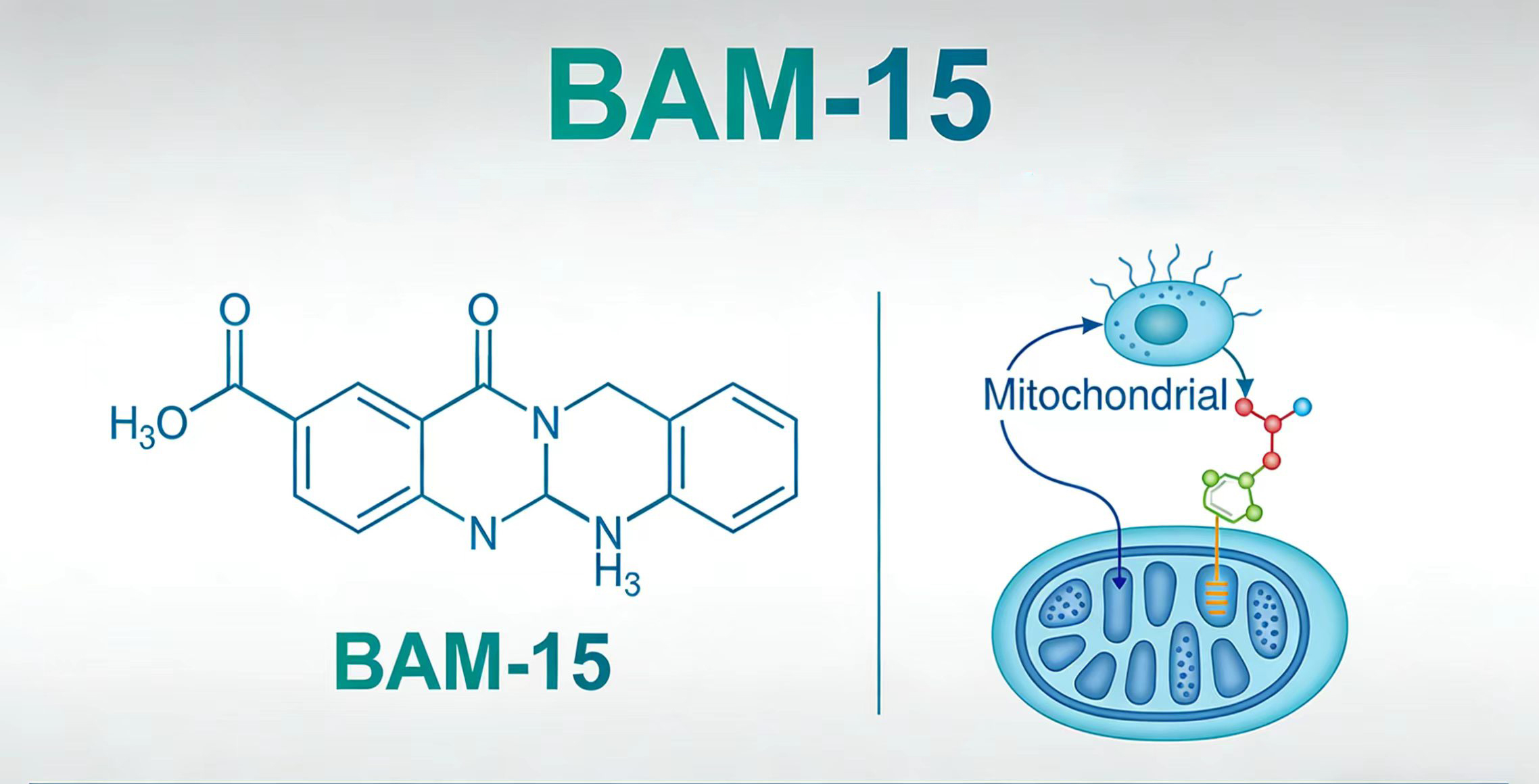
4. Lower toxicity vs older uncouplers (e.g., DNP)
- Shows less cytotoxicity compared to compounds like CCCP or DNP
- No major organ damage markers observed in animal studies
This is why it’s often called a “next-generation uncoupler”
5. Does not significantly raise body temperature (in studies)
- Unlike dangerous uncouplers, BAM-15 did not increase core temperature in tested doses
Potentially safer thermogenic profile
6. Additional potential benefits
Research suggests it may also:
- Reduce liver fat and improve lipid metabolism
- Activate AMPK (key metabolic regulator)
- Reduce inflammation and oxidative stress
- Show anti-parasitic and possible anti-tumor effects
Cons of BAM-15
1. No human clinical data
- Almost all evidence is from cell and animal studies
Biggest limitation: Safety and effectiveness in humans are unknown
2. Long-term safety is unclear
No data on:
- Chronic use
- Cardiovascular effects
- Mitochondrial damage over time
This is critical because mitochondrial uncoupling affects core cellular energy systems
3. Mechanism inherently risky
BAM-15 reduces ATP production
Excessive uncoupling can lead to:
- Fatigue
- Cellular stress
- Organ dysfunction (in theory)
Same fundamental risk class as DNP—just milder so far
4. Potential side effects (observed or theoretical)
From studies and experimental reports:
- Increased ROS (oxidative stress at high doses)
- Fatigue/lethargy at higher exposures (reported in models/community data)
- Possible mitochondrial stress if overdosed
5. Dosing and delivery challenges
- Poor water solubility and pharmacokinetics
- Rapid clearance in some models
Makes consistent dosing difficult
6. Not approved for human use
- BAM-15 is strictly a research compound
- No FDA approval or medical indication
Any human use = experimental and unregulated
Overall Summary
| Aspect | Verdict |
| Fat loss | Very strong (in animals) |
| Metabolic health | Promising |
| Safety (short-term) | Appears better than older uncouplers |
| Safety (long-term) | Unknown |
| Human use | Not approved |
Bottom line
BAM-15 is one of the most promising experimental metabolic uncouplers, showing:
- Strong fat-loss effects
- Improved insulin sensitivity
- Lower apparent toxicity than older compounds
But:
- It is still early-stage research, and
- human safety is completely unproven
If you want, I can compare BAM-15 vs DNP or vs newer compounds (like SLU-PP-332) in terms of safety and effectiveness.