
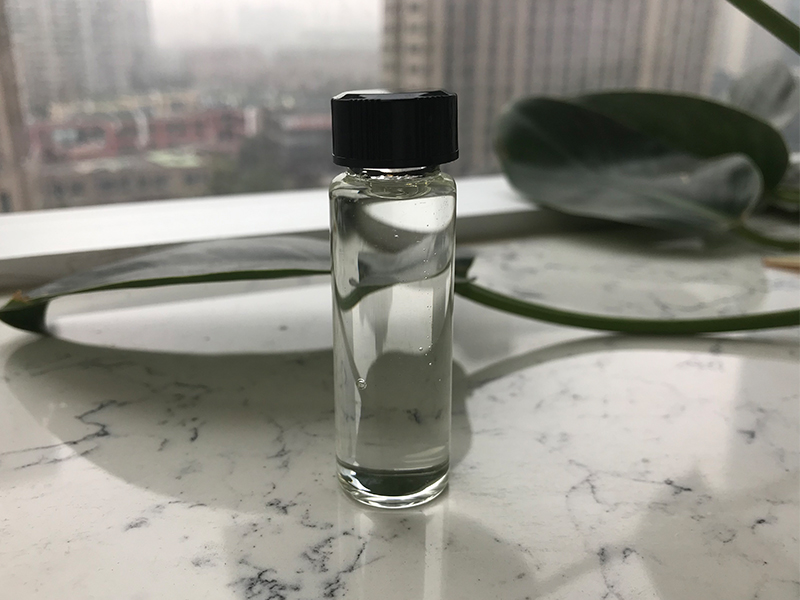
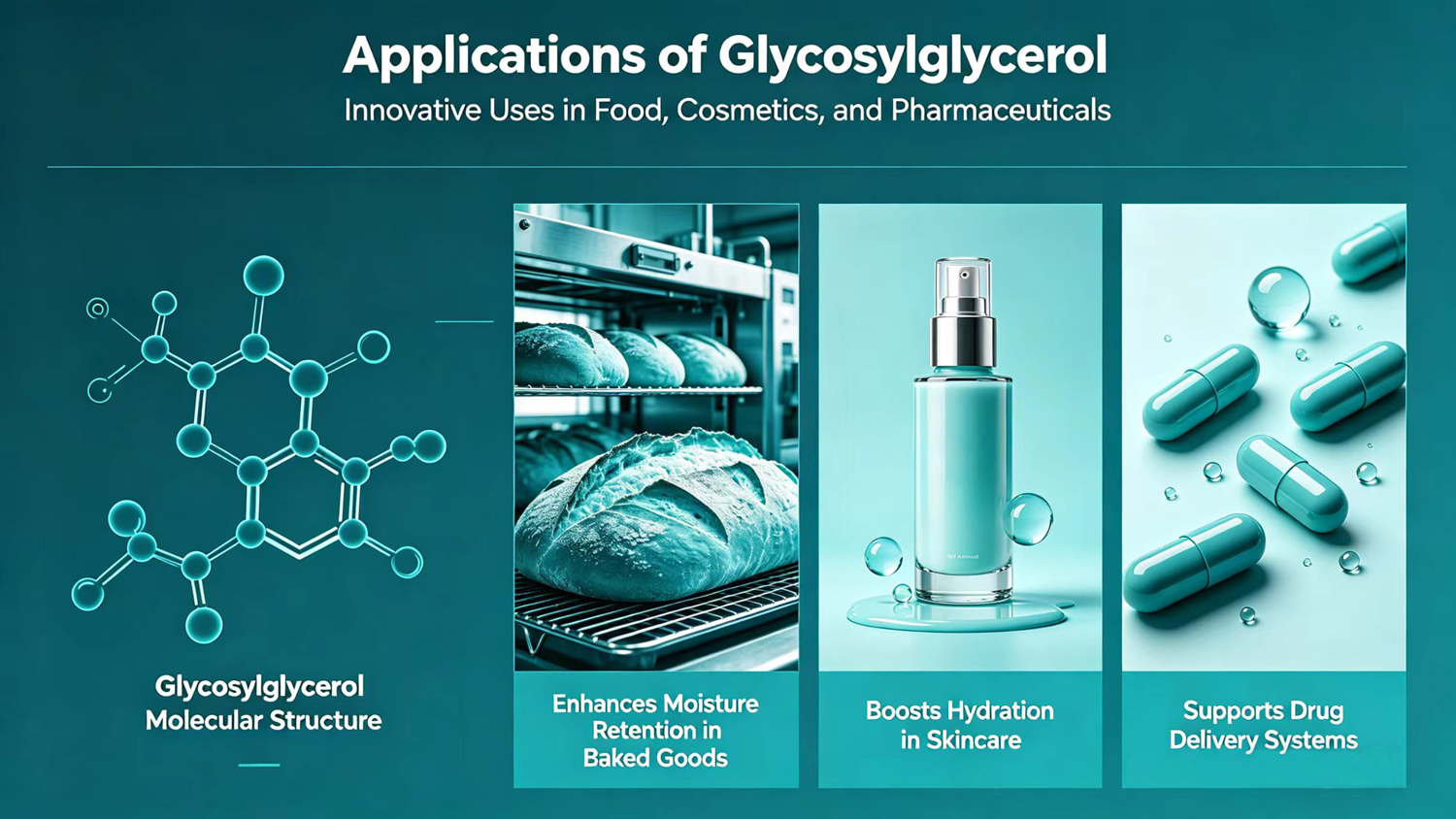
Glycosylglycerol (often referred to as α-glycosylglycerol or GG) is a small sugar–glycerol conjugate commonly studied for its moisturizing, stabilizing, and bioactive properties, especially in cosmetics and some food/biotech applications.
Below is a clear breakdown of its pros and cons:
Pros of Glycosylglycerol
1. Strong moisturizing ability
- Works as a humectant, attracting and holding water in the skin
- Helps improve skin hydration and elasticity
- Often compared to glycerol but with enhanced stability in formulations
2. Skin barrier support
- May help strengthen the stratum corneum (outer skin barrier)
- Reduces transepidermal water loss (TEWL), improving long-term hydration
3. Gentle and low irritation potential
- Generally considered mild and well-tolerated
- Suitable for sensitive skin formulations
4. Good stability in formulations
- More chemically stable than some sugar-based humectants
- Resistant to degradation in a range of cosmetic environments (pH/temperature)
5. Potential bioactive effects (emerging research)
- Some studies suggest possible roles in:
- Cell protection under stress
- Mild anti-inflammatory activity
- Still not fully confirmed clinically
Cons of Glycosylglycerol
1. Limited large-scale clinical evidence
- Most benefits are based on lab or small-scale studies
- Fewer long-term human trials compared to ingredients like glycerin or hyaluronic acid
2. Higher cost and limited availability
- Not as widely produced as glycerin or propylene glycol
- Can increase formulation cost in skincare or food products
3. Niche usage
- Still considered a specialty ingredient
- Not commonly found in mainstream consumer products
4. Unclear superiority over common humectants
While promising, it does not yet clearly outperform:
- Glycerin
- Hyaluronic acid
- Sorbitol
So its added value may be formulation-dependent
5. Regulatory/standardization variability
- Depending on region and purity grade, specifications may vary
- Not as standardized as widely used cosmetic humectants
Summary
Glycosylglycerol is a promising modern humectant with good moisturizing and skin-barrier benefits, but it is still a relatively niche and under-researched ingredient compared to industry staples like glycerin and hyaluronic acid.